
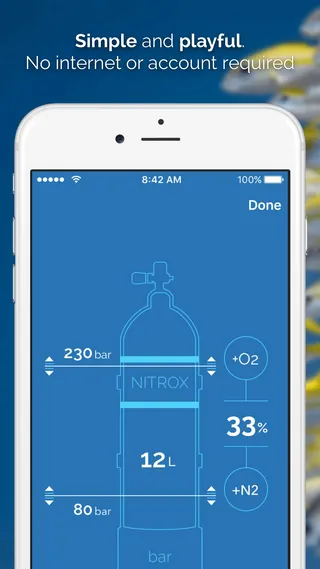
How it works
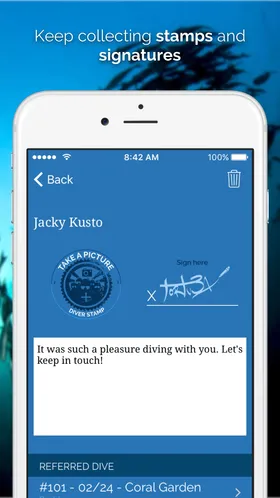
Log the dive
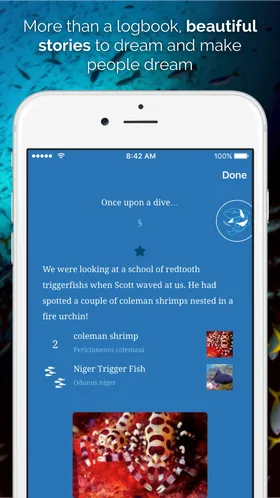
Site, depth, time, buddy — captured in a minute while your hair is still wet.
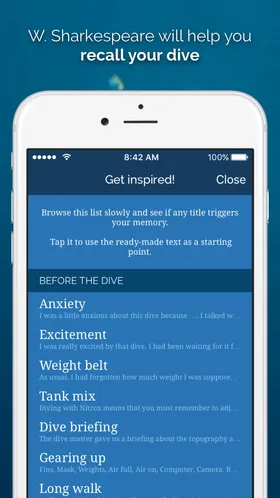
Name what you saw
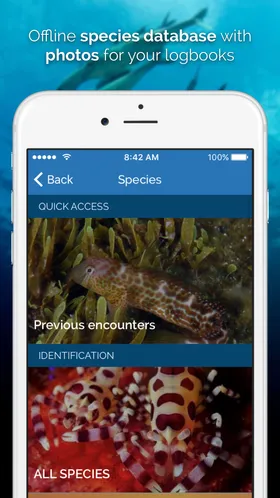
Browse the built-in fish guide by look and add the species you met straight to the dive.
Grow your life list
Every dive builds your personal atlas: sites, stats, and every creature you’ve ever logged.
Under the surface
The Tortuba Index
Where and when to see the ocean's best-known animals — every season sourced, and rated for how likely you actually are to meet one.
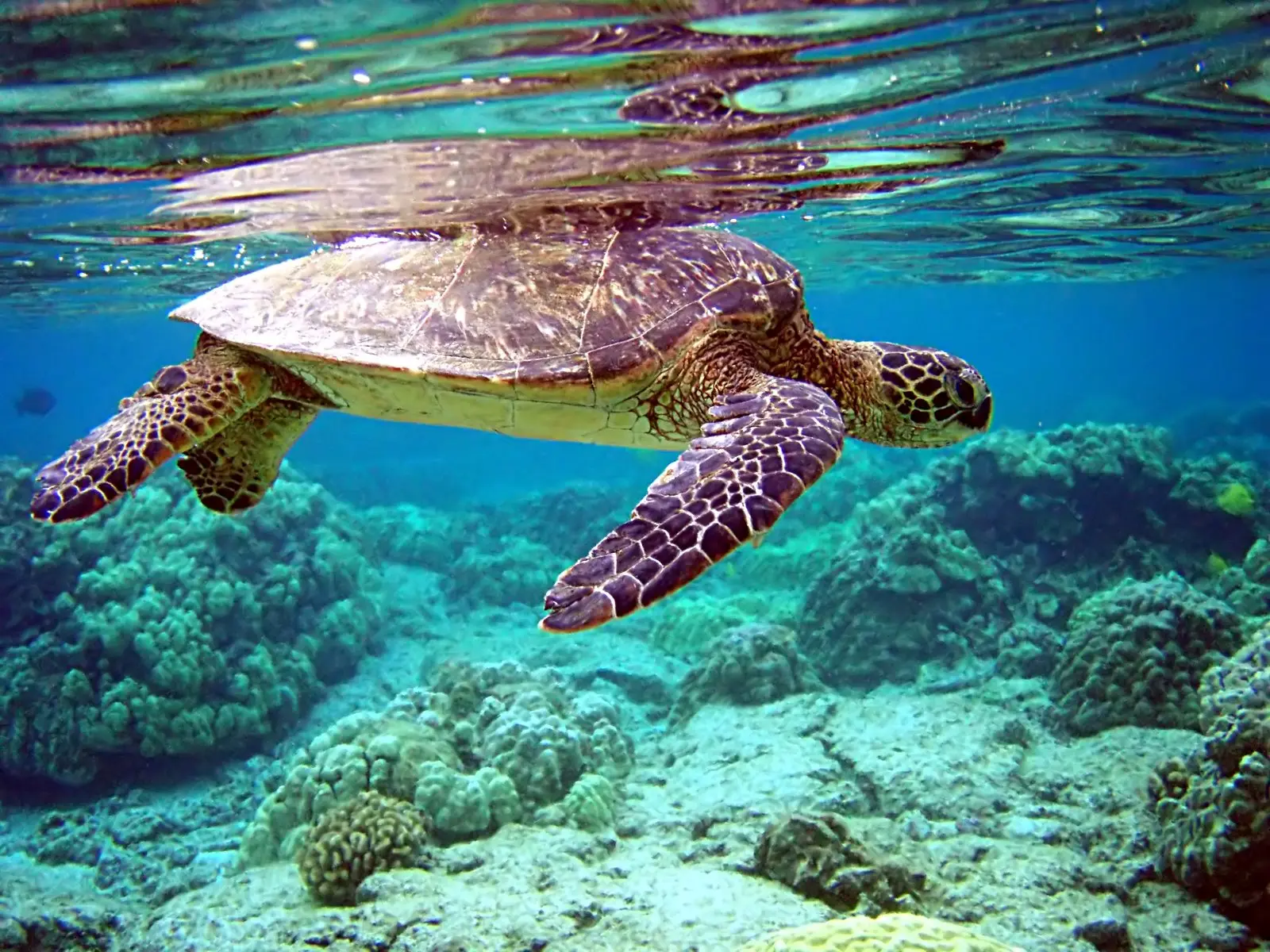
Sea Turtles
Best in Hawaii — Year-round — and Hawaii is the one place they bask on land daily
Where and when to see them →
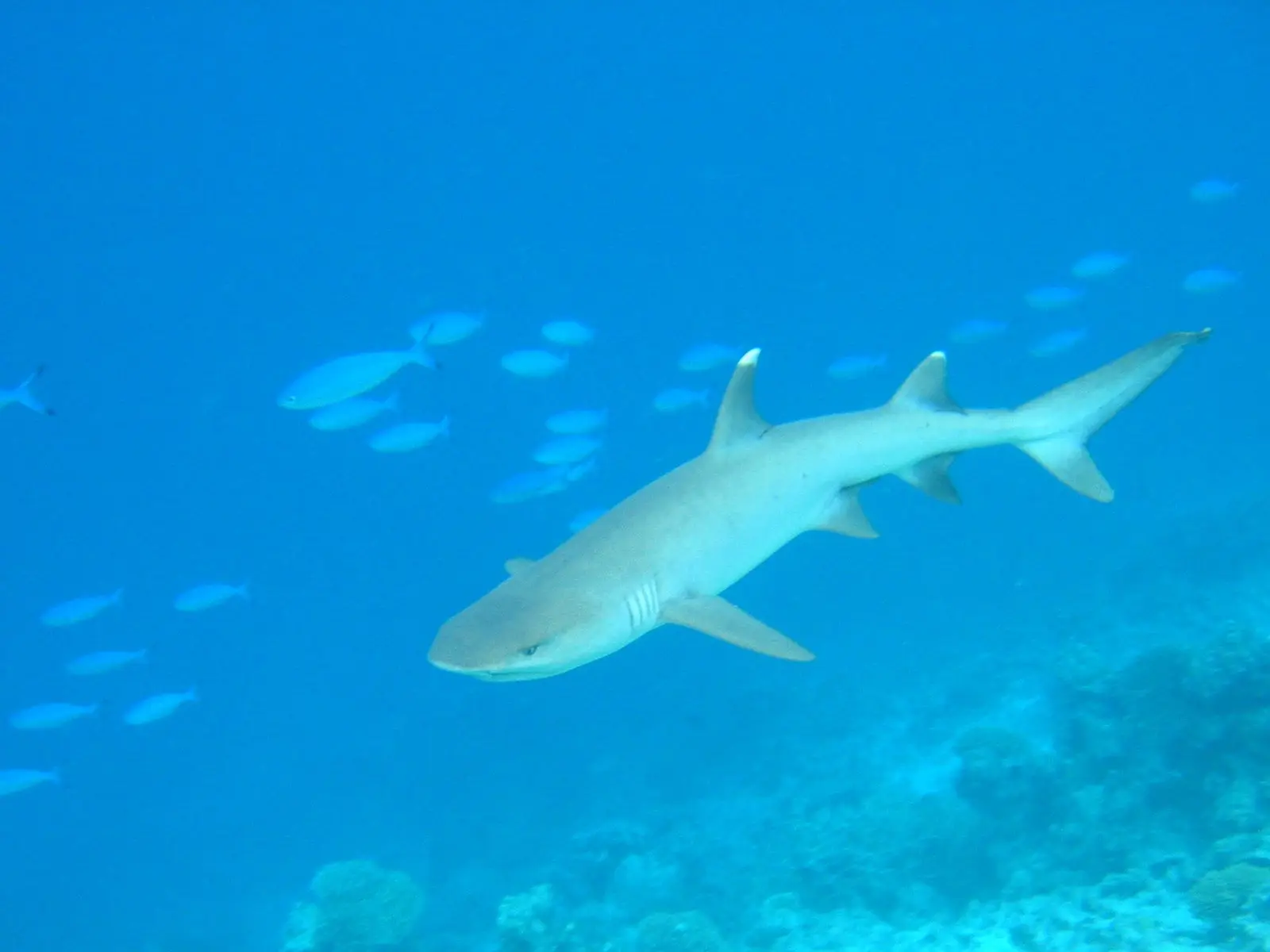
Whitetip Reef Sharks
Best in Hawaii — Year-round; calmest conditions May to September
Where and when to see them →
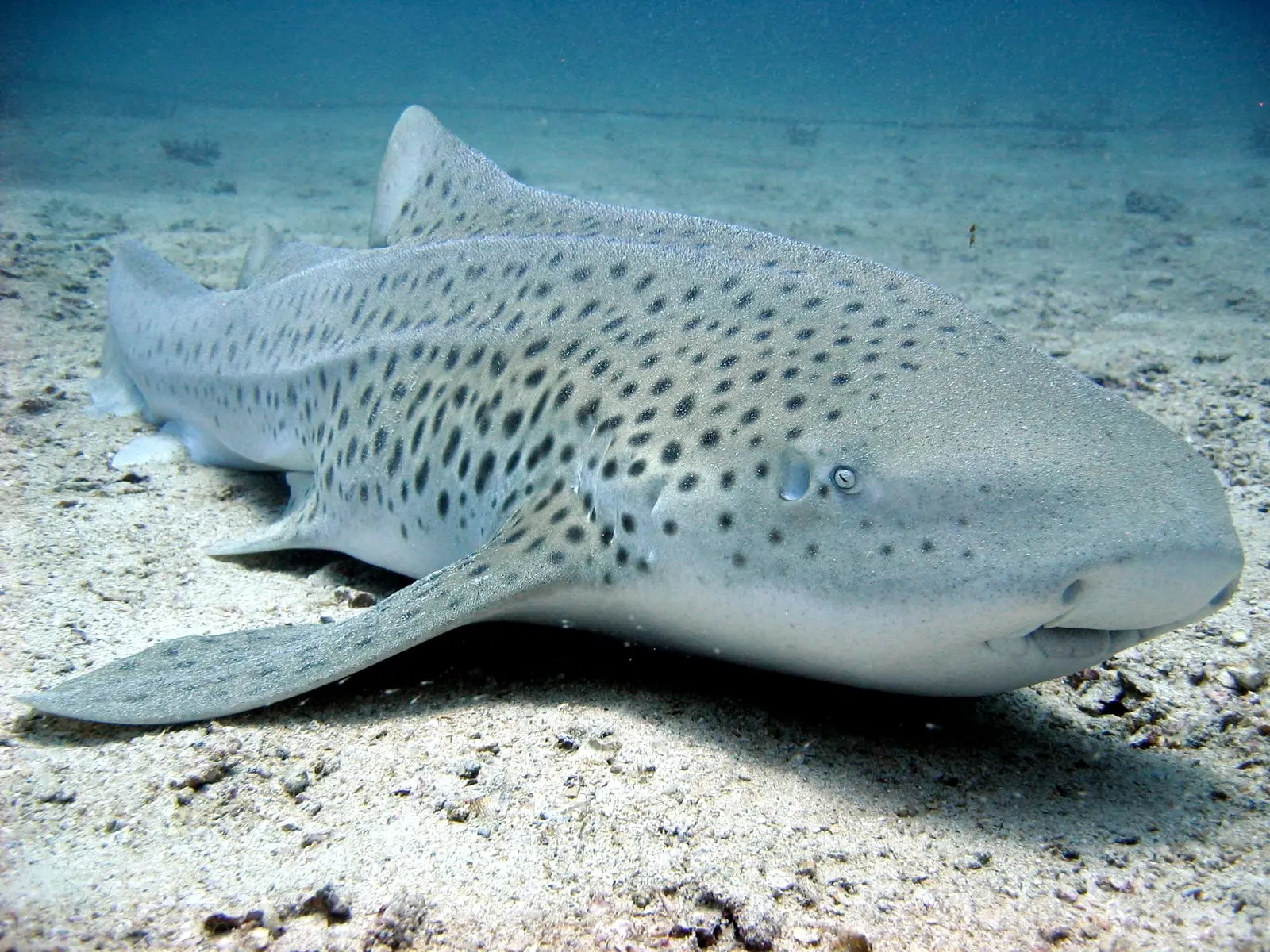
Leopard Sharks
Best in Indonesia — October to April, the general Raja Ampat season — no shark-specific peak
Where and when to see them →
Guides for divers
Like a good briefing: the answer to your question first, the app only if it helps. Worth reading even if you never surface with a download.
- Best Dive Sites for Beginners: How to Choose
What makes a dive site beginner-friendly, regions known for easy diving, and the questions to ask a dive center before you book.
- How Many Dives for Advanced Open Water?
How many dives you need for Advanced Open Water, by agency — PADI, SSI, and beyond — plus why a clean dive log is your proof of experience.
- How to Identify Fish While Diving: A Field Method
A simple method to identify fish while diving: what to observe underwater, how to remember it, and how to confirm the species back on the boat.
- How to Log a Scuba Dive: A Simple Routine
Learn how to log a scuba dive in under two minutes: what to write down, when to do it, and how to keep the habit going past dive number ten.
- How to Remember Fish Names After Diving
Why fish names slip away after a dive trip, and the memory tricks — logging, photos, stories, repetition — that make species stick for good.
- Keep Track of Dive Gear: Service, Setup, Kit
How to keep track of dive gear: service intervals, a simple gear record, pre-trip checks, and using your dive log as gear history.
- Paper Dive Log vs Digital: Which Should You Keep?
Paper dive log vs digital, compared honestly: signatures, backups, search, and stats — plus the hybrid setup many divers settle on.
- What to Record in a Dive Logbook: Full Checklist
A complete checklist of what to record in a dive logbook — the essentials, the fields that pay off later, and what you can safely skip.
Frequently asked questions
How do I log a scuba dive?
Record the essentials right after surfacing: site, date, times, max depth, and what you saw. Tortuba keeps it to a minute per dive — and unlike paper, your fish sightings become a searchable life list.
What should I record in my dive logbook?
At minimum: date, site, depth, dive time, and buddy. Add conditions, weights, and wildlife if you want your log to actually be useful on your next trip. My checklist covers what matters and what you can skip.
Is a digital dive log better than paper?
Paper logs are lovely until they meet a wet boat bag. A digital log is searchable, backed up, and can tally your stats automatically — and stamps still fit: keep the paper for signatures, Tortuba for everything else.
How can I identify the fish I saw while diving?
Note three things underwater: size, shape, and one distinctive marking. Tortuba’s built-in fish guide lets you browse by look and log the species straight into your dive.
How many logged dives do I need for the next certification?
Advanced Open Water typically requires 5 adventure dives on top of your certification, and higher ratings ask for logged experience (e.g. 50 dives for Divemaster training entry). A clean digital log is your proof.
What’s coming in the Tortuba refresh?
A brand-new UI, cloud sync across your devices, and a few surprises I’m keeping under the surface. Your existing logbook will carry over.
Your next dive deserves a better logbook
Free to download — and about to get even better.